Fitness secret course

Thursday, October 14, 2021

Daily Simple Questions Thread - October 14, 2021

Welcome to the /r/Fitness Daily Simple Questions Thread - Our daily thread to ask about all things fitness. Post your questions here related to your diet and nutrition or your training routine and exercises. Anyone can post a question and the community as a whole is invited and encouraged to provide an answer.

As always, be sure to read the wiki first. Like, all of it. Rule #0 still applies in this thread.

Also, there's a handy search function to your right, and if you didn't know, you can also use Google to search r/Fitness by using the limiter "site:reddit.com/r/fitness" after your search topic.

Other good resources to check first are Exrx.net for exercise-related topics and Examine.com for nutrition and supplement science.

If you are posting a routine critique request, make sure you follow the guidelines for including enough detail.

(Please note: This is not a place for general small talk, chit-chat, jokes, memes, "Dear Diary" type comments, shitposting, or non-fitness questions. It is for fitness questions only, and only those that are serious.)

submitted by /u/AutoModerator
[link] [comments]

* This article was originally published here

Wednesday, October 13, 2021

Immune system keeps the intestinal flora in balance

Trillions of benign bacteria live in the intestine. They are kept in a continuous balance by the immune system, which thereby makes them harmless to humans. Researchers have been able to show how certain natural antibodies keep these bacteria in check. The findings could make an important contribution to the development of superior vaccines.

* This article was originally published here

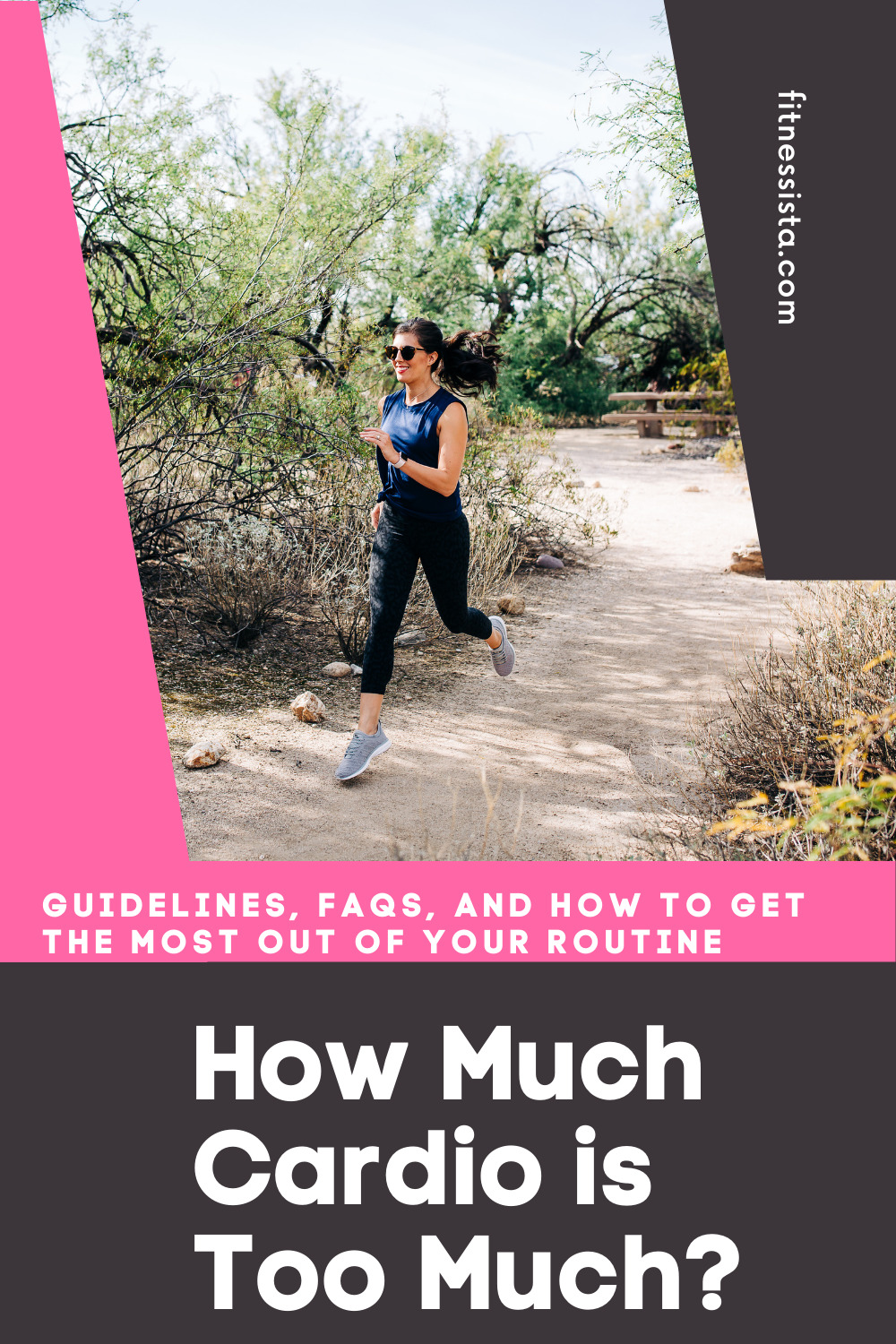
How Much Cardio Is Too Much? (A Clear Answer)

Running, biking and other aerobic exercise help improve your health and fitness. Find out just how much aerobic exercise is right for you and how much cardio is too much.

Hi friends! How’s the morning going?? We had an awesome weekend at the pumpkin patch and lots of fun adventures. For today’s post, I updated an older *beefy* one with lots of fitness tips. If you’re wondering about how much cardio to do and need help with your routine, hop on the Fit Team wait list here! Enrollment opens this week (Wednesday!!) and I can’t wait to share it with you.

I frequently get variations of the same question:

What is a *good* amount of cardio?

How much is too much?

What’s the bare minimum?

Let me dust off my cardio queen badge and tell you a long tale.

How Much Cardio Is Too Much? (A Clear Answer)


The Tale of the Cardio Queen

Back in the day, I thought cardio was the “end all be all” of health, fitness, and (what my goal was at the time) weight loss. I figured that more was better as far as cardio goes. Little did I know, I was burning my precious muscle away as I pounded the treadmill and was striding along on the elliptical.

It’s equally tragic and amusing to consider the amount of time I spent doing cardio, thinking I was throwing myself a solid to only later find out that it was overkill. I cardio-ed my little heart out, and there was a time when I was going an hour + of cardio, almost every day of the week. I was doing way too much cardio. (This is also when I screwed up my metabolism years ago.)

Thankfully, I started to work in the fitness industry, became certified to teach group fitness and work as a personal trainer, and learned a lot about the cardio balancing act. It takes a little time to find out the amount and types of cardio that will propel you towards your goals, while providing endorphins, SWEAT, and performance gains (including endurance, speed and agility).

It wasn’t until I cut down my cardio duration and really made the exercises count that I noticed a difference in my fitness gains. I also felt a major boost in my gym mojo, as I was no longer using cardio time to read books and gab with friends. (<— which is still fun, but it opened doors as far as new classes, HIIT methods, and cardio modalities go!)

Cardio FAQ and Tips for Finding Your Personal Cardio Sweet Spot

(As always, check with a doctor before making any fitness changes. If you have medical conditions or have a sedentary lifestyle, it’s especially important to start a cardio program with the guidance of a physician. As always, honor your body.)

What the heck is cardio exactly? Does strength training count as cardio?

Cardiovascular fitness is a critical aspect of health, which involves the intake, transportation and usage of oxygen during exercise. Your heart, lungs and muscles work in harmony as you’re jogging, sprinting, or even vacuuming throughout the day.

We measure cardio through VO2Max, which is the maximum amount of the body’s oxygen consumption. It’s not easy to measure, so usually we’ll determine cardio intensity as a percentage of your maximum heart rate.


How to calculate your heart rate

Example: I’m 36 so my estimated max heart rate is 220-36= 184. If I want to hit 80% of my max heart rate, 184 x .8 = 147.2. So in that case, I’d aim to hit around 147 if I was wearing a heart rate monitor. This is in line with NASM recommendations, which where I earned my personal training certification.

As far as strength training counting as cardio, it certainly can. It really depends on consistently elevating your heart rate. If you’re doing traditional hypertrophy training (3 sets of 10-12 reps, resting in between sets), there’s a good chance that you will not elevate your heart rate and sustain it during your workout. If you’re doing more circuit-style workouts, or supersetting multiple exercises, your heart rate will likely remain elevated! This can definitely count as cardio. Sometimes for circuit workouts, my heart rate is higher than it would be if I were doing steady state, like jogging on the treadmill or dancing.How much cardio is too much

What are the recommendations for cardio?

I don’t ever recommend doing over an hour of cardio, unless you’re training for a specific event. If you just really LOVE cardio, make sure that you have some off days (yes, more than one! especially in this case) to let your body recover. If you are consistently training the same muscles, especially if you perform the same types of cardio each day, you will not give them the chance to grow back stronger and recover. Also, this can set you up for overuse injuries <– not a picnic.

Make sure that you are giving your body the chance to heal in between sessions, and be sure to alternate cardio intensities. I always like to throw the reminder out there that the heart is a MUSCLE, and a pretty dang important one. It needs rest, just like your legs, shoulders, chest, back, etc. all do.

Here are general recommendations for cardio:

At least 150 minutes of moderate-intensity cardiorespiratory exercise, 75 minutes of vigorous-intensity, or a combination of moderate- and vigorous-intensity exercise per week. The weekly recommendation for resistance training is 2 or more days per week with exercises for all the major muscle groups (minimum of 1 set of 8-12 repetitions for each muscle group). Flexibility and neuromotor exercises (balance, agility, coordination) are also recommended at least twice per week.

I think that 150 minutes a week of moderate cardio is a great goal. If you’re working out 5x a week, that’s 30 minutes each day. As far as the bare minimum goes, I like to recommend to walk for 20 minutes every day. That’s it. You can break cardio sessions into blocks if you need to, which leads me to the next question.

I don’t have a lot of time to do a solid cardio block. Should I just skip it altogether?

Split it up!! I used to be guilty of thinking that if I didn’t have the time to do more than 10 minutes, it wasn’t worth it. It IS totally worth it and can be beneficial. After we work out, our body has to work hard to replenish its stores and regulate tissue temperature. This is called EPOC (Excess post-exercise oxygen consumption) and burns extra calories. By getting in multiple short workouts each day, you get bonus EPOC sessions. So do what you can, when you can. If you only have 20 minutes to work out, here are some ideas.

Tips for Cardio

Start slowly and build up from there.

It’s smarter to start out with less and build up from there.

Focus on quality over quantity.

Really focus on making the time count, and getting the most out of your workout. It’s not about how many minutes you can add onto your time, but more about how you FEEL. Do you feel challenged, sweaty, energized (not drained)?

Your personal cardio magic number may be different than the recommendations above.

Depending on the types of cardio modes you do, how often you strength train, and your daily activity level, you may find that you need way less “traditional cardio” and more strength. It’s all a matter of experimentation and finding the magic number according to your unique goals and circumstance. This number may also change week to week depending on what’s going on. Cardio is a critical aspect of health, so if you can, try to walk a bit and be active each day.

Don’t overdo it.

Unnecessarily high cardio activity (without a purpose, like training for an event) can set yourself for overuse injuries, increased cortisol levels, depleted immune system function, dreading your training, increased resting heart rate, pain in your joints, extreme muscle soreness, and fatigue. It can make your hunger levels go haywire and affect your hormones (which is why many women who do too much grueling cardio can suffer from a lack of menstrual cycle, hair loss, skin changes, anxiety, depression, sleep changes, and irritability). When you overdo it on cardio, your body can also start to use its own lean muscle as fuel, which decreases overall strength and muscle mass. Your body composition changes and you need to find the sweet spot for cardio in your workout routine — one that works for you and your unique goals.

If you hate it, ditch it.

There are so many cardio fish in the sea, you are destined to find something you love. Don’t be afraid to try out different classes, modes, and instructors until you find your perfect match. If you decide traditional cardio isn’t for you, get it through circuit training or something else that will increase your heart rate. Don’t forget the bonus of unintentional exercise (also called NEAT: non-exercise activity thermogenesis), and that you’re burning calories and increasing your heart rate through everyday physical activities like household chores, gardening, errands, intimate activities, etc. πŸ™‚

So tell me friends, how often do you do cardio in your routine right now? When I was teaching at the resort I was doing intense amounts — teaching up to 3 dance cardio classes in a row. My knee also hated me. Right now, I only do 2-3 days of cardio and also walk Maisey every day.

xoxo

Gina

Some resources:

35 cardio-based bodyweight exercises

What does cardio fitness mean?

Hail HIIT, the cardio king

More reader’s request posts

Building muscle while burning fat

The post How Much Cardio Is Too Much? (A Clear Answer) appeared first on The Fitnessista.


* This article was originally published here

Monday, October 11, 2021

Winter-swimming Scandinavian men can teach us how the body adapts to extreme heat and cold

The Scandinavian winter swimming culture combines brief dips in cold water with hot sauna sessions -- and now, a study of young men who participate regularly in these polar plunges finds that winter swimming may allow the body to adapt to extreme temperatures. The findings suggest that routinely alternating swims or dips in chilly water with sauna sessions might affect how brown fat, also known as brown adipose tissue (BAT), burns energy and produces heat.

* This article was originally published here

Sunday, October 10, 2021

Are face pulls and band pull aparts really necessary if I'm doing rows and reverse flyes?

Some of the biggest names in fitness make it sound like face pulls and band pull aparts are absolutely necessary. "Non-negotiable" as Jeff Cavalier puts it. My question is why? The benefits of these exercises are clear. They promote muscular balance, shoulder health, and good posture by targeting the rear delts, rhomboids, and rotator cuff. Rows and reverse flyes also directly target these muscles though, so what is it that makes these exercises uniquely beneficial. I realize external rotation isn't possible with most row variations which is an important part of targeting the rotator cuff, but this is easily done with reverse flyes by using a supinated grip. What am I missing?

submitted by /u/downyonder1911
[link] [comments]

* This article was originally published here

The Cellulite Cure?

All women have cellulite. What do super-sexy celebrities and some of the fittest-looking women in the world have in common? They all have cellulite – the dimply, cottage cheese-looking fat that accumulates on the butt, thighs, and abdomen. When it comes to cellulite, the fit and famous are no different from other women. No matter how often women hit the gym or how well they stick to their diet, almost all will develop some cellulite after puberty – even those with otherwise fit and hard bodies.

As women age, the thin layer of connective tissue between the fat cells becomes brittle and pulls apart. The fat pushes through the holes, causing the tiny dimples and ripples typical of cellulite. Most men don’t get cellulite because the connective tissue that supports and gives structure to the skin is thicker than in women. You probably didn’t have cellulite when you were in high school (although it is a problem among high school girls today). When you’re young, the fat underneath the skin covering the muscles and bone – the subcutaneous fat – is smooth and contoured, because it is supported and covered by a layer of connective tissue.

Hormones and genetics. Hormone changes, particularly elevated estrogen levels, trigger cellulite growth. Even though menopause doesn’t occur until about age 50, subtle changes in reproductive hormones take place beginning in your 30s. Hormone changes also occur during pregnancy and puberty that can change the structure of the connective tissue in the skin and create cellulite. Combining hormone changes during pregnancy with weight gain, less exercise, changing diet, and increased stress from changing lifestyles make the condition much worse after having a baby.

Genetics play a role in who gets cellulite. Small structural differences in two genes that control blood flow and metabolism (ACE and HIF1A genes) cause some women to get cellulite worse than others. Genetic differences help explain why cellulite is more common in some racial groups (i.e., white women) than in others (i.e., Asian women). So, one of the best ways to avoid cellulite is to choose your parents very carefully. While you can’t do much about your genetic makeup or parentage, scientists have discovered some methods for fighting cellulite.

Scientists are beginning to understand how cellulite develops, and their research has provided insights to help women fight and conquer it. Methods such as endermologie (tissue manipulation), liposuction, ultrasound, carbon dioxide therapy, cold therapy, and drugs that target local fat metabolism cause reductions in cellulite. While these methods help, they will rarely eliminate the problem. At best, they are short-term fixes.

Fighting cellulite. Exercise, diet, and weight loss remain the best methods for fighting cellulite. They reduce body fat (the source of cellulite) and tone muscles, which give the body a firm, smooth surface. You can reduce or eliminate cellulite covering your hips and thighs if you are willing to devote the time and energy it takes to do the job. You won’t get the body you want without significant lifestyle changes.

Anti-Cellulite WORKOUT

Cardio: 60-90 minutes, five times a week

Examples: Fast walking, jogging, cycling, elliptical trainer, treadmill, etc. Try to exercise at 70 percent of maximum effort.

Start with 5-10 minutes of exercise and build up until you can exercise continuously for 60-90 minutes without stopping. Also, increase the intensity of exercise until you can train at 70 percent of maximum effort during your workout. You will burn at least 700 calories during each cardio workout and help tip your metabolism toward fat loss. Weight-bearing exercises such as running, power walking, treadmill running, and elliptical training are best for losing weight.

Interval Training: 2 days per week

Examples: Run, power walk, or exercise on a gym cardio machine (stair-climber, elliptical trainer, ski machine, etc.) for one minute at 90-100 percent of maximum effort, followed by 2-3 minutes of rest. Repeat 6-15 times.

Do interval training first when combining intervals and cardio on the same day. Interval training includes intense exercise such as sprinting or power walking, interrupted by periods of rest or light exercise. Interval training will speed up your metabolism so that you continue to burn calories at a higher level 24 to 48 hours after the workout is over. Long-term weight control studies show that people who train intensely lose more weight than those who exercise slowly. Run, power walk, or exercise on a cardio machine at the gym (stair-climber, elliptical trainer, ski machine, etc.) for one minute at 90-100 percent of maximum, followed by two to three minutes of rest. Repeat 6-15 times.

Interval training is particularly effective on a running track. Stride the straightaways of the track (400-meter track at a high school or college) at 90 percent of maximum effort and walk the turns. Build up to 4-8 laps (one to two miles). If you really want to burn calories at a fast rate, build up to 6-8 400-meter intervals at 90 percent effort, with three to five minutes rest between intervals.

Weight Training: 2-3 days per week

Weight training is a central part of your cellulite management program. Do 1 set of 10-12 reps for 6-10 exercises. Use a weight heavy enough to push the muscles during each exercise. Weight train after doing cardio and intervals to maximize 24-hour calorie use. Examples of effective cellulite-fighting exercises include:

• Two-arm kettlebell swings

• Kettlebell snatches

• Glute-ham raises

• Walking lunges with barbell

• Step-ups on bench

• Squats

• Curl-ups

• One-leg squats on a Smith machine

• Hip abductions on machine

• Hip adductions on machine

• Butt blaster machine

Diet: Consume a reduced-calorie diet, such as the Mediterranean diet, which is high in complex carbohydrates (pasta, whole grains), fruits, vegetables, lean meat, olive oil, and red wine.

How Exercise and Diet Fight Cellulite

Many women are bombarded with e-mail spam that tries to sell them creams, therapies, or surgical procedures that promise to rid them of cellulite. While some of them work temporarily, none are as effective as exercise and diet. A healthy lifestyle improves metabolic control that helps prevent cellulite buildup and improves the way the body processes and stores fat.

Controlling metabolic rate in adipose tissue (fat) in the thighs and hips is critical for preventing and reducing cellulite. The nervous system sends a steady stream of impulses to the tissues that helps control metabolism and the rate you burn calories. This process works very much like the idle setting on a car – the higher the idle, the more gas the car uses. In your body, the higher the setting of your nervous system, the more calories you metabolize every day.

Fat control varies in different parts of the body. Abdominal fat, for example, turns over rapidly in part because of a higher density of hormone receptors for adrenaline – the fight or flight hormone. Fat cells in the butt and thigh are less sensitive to adrenaline, which promotes cellulite growth. Exercise can turn on hormone receptors in lower body fat stores.

Researchers from the University of Colorado found that these nervous signals are lower in women, particularly as they age and don’t exercise. You can rev up your nervous system by doing interval training – repeated bouts of high-intensity exercise interrupted by rest. The combination of intense and over-distance exercise will increase the tone of your nervous system so that you burn calories at a faster rate for the rest of the day and promote fat turnover in fat deposits prone to cellulite development.

Controlling insulin release is also important for preventing cellulite. The body releases insulin when it wants to bring sugar into the cells and make fat in the fat cells. Diets high in carbohydrates, particularly simple carbohydrates, increase insulin release, which promotes fat storage and cellulite buildup. Consuming a healthy diet, such as the Mediterranean diet that is high in complex carbs, olive oil, fruits, vegetables, lean meats, and red wine, reduces insulin levels and helps prevent cellulite. Exercise also improves insulin metabolism. Cells in physically fit women are more sensitive to insulin, so the body releases less of it and stores less fat.

Fighting cellulite with exercise involves training long enough to burn a significant calories (60 to 90 minutes per workout or accumulated exercise sessions during the day), building muscle mass in the lower body, and speeding up fat turnover in the thighs and butt. You burn 600 to more than 1,000 calories by doing vigorous aerobic exercise for 60 to 90 minutes. It’s possible to metabolize almost one-third of a pound of fat every time you run, ride a bike, or exercise on an elliptical trainer. Doing plenty of cardio exercise is a key element to fighting cellulite.

You continue to burn calories at a faster rate than normal after the exercise is over, so the true caloric cost of exercise is more than it appears. Muscle is the most metabolically active tissue in the body. Weight training helps people lose weight because it burns calories, increases muscle mass, and helps increase 24-hour energy expenditure.

The best approach for losing weight and fighting cellulite is to combine cardio and weight training. Scientists from Brigham Young University found that metabolism was elevated most when people lifted weights after running on a treadmill. So, program structure is an important consideration in losing weight and fighting cellulite.

Muscle not only increases metabolic rate, it also pushes against the fat near the skin and makes the fat look smoother – improving the appearance of the fat. Cellulite occurs most frequently over the anterior, lateral, and posterior thighs, so you should emphasize exercises that work these areas. Exercising these muscles intensely builds muscle mass and increases muscle temperature, which burns calories at a faster rate for the rest of the day.

Can You Beat Cellulite?

A healthy lifestyle may help you reduce or eliminate cellulite. Be realistic – your own individual biology and genetics will not always cooperate with whatever diet and training program you put into place to achieve a particular result. Live a healthy lifestyle and work hard and you can minimize the problem.


References:

Adatto M et al. Controlled, randomized study evaluating the effects of treating cellulite with AWT/EPAT. J Cosmet Laser Ther, 12: 176-82, 2010.

Alexiades-Armenakas M. Laser and light-based treatment of cellulite. J Drugs Dermatol, 6: 83-4, 2007.

Angehrn F, C Kuhn and A Voss. Can cellulite be treated with low-energy extracorporeal shock wave therapy? Clin Interv Aging, 2: 623-30, 2007.

Bayrakci Tunay V, et al. Effects of mechanical massage, manual lymphatic drainage and connective tissue manipulation techniques on fat mass in women with cellulite. J Eur Acad Dermatol Venereol, 24: 138-42, 2010.

Bell C, et al. Tonic sympathetic support of metabolic rate is attenuated with age, sedentary lifestyle, and female sex in healthy adults. J Clin Endocrinol Metab 86: 4440-4, 2001.

Caruso, MK, et al. An evaluation of mesotherapy solutions for inducing lipolysis and treating cellulite. J Plast Reconstr Aesthet Surg, 61: 1321-4, 2008.

Drummond MJ, et al. Aerobic and resistance exercise sequence affects excess postexercise oxygen consumption. J Strength Cond Res, 19: 332-7, 2005.

Emanuele E, M. Bertona and D Geroldi. A multilocus candidate approach identifies ACE and HIF1A as susceptibility genes for cellulite. J Eur Acad Dermatol Venereol, 24: 930-5, 2010.

Goldman A, et al. Cellulite: a new treatment approach combining subdermal Nd: YAG laser lipolysis and autologous fat transplantation. Aesthet Surg J, 28: 656-62, 2008.

Gulec AT. Treatment of cellulite with LPG endermologie. Int J Dermatol, 48: 265-70, 2009.

Jackson RF. Low-level laser therapy as a non-invasive approach for body contouring: a randomized, controlled study. Lasers Surg Med, 41- 799-09, 2009.

Khan MH, et al. Treatment of cellulite: Part I. Pathophysiology. J Am Acad Dermatol, 62: 361-70, 2010.

Khan MH, et al. Treatment of cellulite: Part II. Advances and controversies. J Am Acad Dermatol, 62: 373-84, 2010.

Knobloch K, B Joest and P M Vogt. Focused ultrasound for noninvasive body contouring in cellulite. Plast Reconstr Surg, 125: 751, 2010.

Kulick MI. Evaluation of a noninvasive, dual-wavelength laser-suction and massage device for the regional treatment of cellulite. Plast Reconstr Surg, 125: 1788-96, 2010.

Lee GS. Carbon dioxide therapy in the treatment of cellulite: an audit of clinical practice. Aesthetic Plast Surg, 34: 239-43, 2010.

Ortonne JP, et al. Cellulite and skin ageing: is there any interaction? J Eur Acad Dermatol Venereol, 22: 827-34, 2008.

Proebstle TM. Cellulite. Hautarzt, 61: 864-72, 2010.

Romero C, et al. Effects of cellulite treatment with RF, IR light, mechanical massage and suction treating one buttock with the contralateral as a control. J Cosmet Laser Ther, 10: 193-201, 2008.

Smalls LK, et al. Effect of weight loss on cellulite: gynoid lypodystrophy. Plast Reconstr Surg, 118: 510-6, 2006.

Wanner M and M Avram. An evidence-based assessment of treatments for cellulite. J Drugs Dermatol, 7: 341-5, 2008.

The post The Cellulite Cure? first appeared on FitnessRX for Women.


* This article was originally published here

Saturday, October 9, 2021

A 'cousin' of Viagra reduces obesity by stimulating cells to burn fat

Researchers have found that a drug first developed to treat Alzheimer's disease, schizophrenia and sickle cell disease reduces obesity and fatty liver in mice and improves their heart function -- without changes in food intake or daily activity.

* This article was originally published here
Inside Bella Hadid’s daring retreat workout: Model strips down in candid sauna session following high-profile lifestyle reset - cristinaiglesias.com

Inside Bella Hadid’s daring retreat workout: Model strips down in candid sauna session following high-profile lifestyle reset    cristinaigl...